


Private Home Evictions Across Southern California
Are you losing money every month on a rental property that was supposed to build your financial future? Whether a
tenant stopped paying rent, a family member refuses to leave, or you need to move back into a home you have been renting
out, the legal process for removing an occupant from a private home in California is strict and unforgiving. At Barry Lee
O'Connor and Associates, our dedicated eviction legal team provides the same aggressive representation to individual
property owners, property managers, and small investors that we deliver to corporate landlords managing hundreds of units.
Backed by more than 70,000 eviction cases filed since 1988, we understand that your rental home is a personal investment,
not just a line item on a corporate spreadsheet. We treat your case with urgency because every month of unpaid rent is
money that may never come back.
Call our eviction attorney today at (951) 689-9644 or contact our office to schedule a consultation.
Is Your Private Rental Home Exempt From California Rent Control?
One of the most important questions for private home landlords is whether the Tenant Protection Act of 2019 (AB 1482)
applies to their property. Under this law, most residential rental properties are subject to statewide rent caps and "Just Cause"
eviction restrictions. However, many single-family homes and condominiums qualify for an exemption that gives you
significantly more flexibility.
To qualify, your property must meet all three requirements: the home must be a single-family residence or condominium
(not a multi-family building), the property cannot be owned by a corporation, a Real Estate Investment Trust, or an LLC with a
corporate member, and you must have provided the tenant with a specific written disclosure under California Civil Code
Section 1946.2(e). If you failed to deliver that disclosure before the tenancy started, you lose the exemption entirely, even if
the property type would otherwise qualify.
Our firm performs a complete exemption audit during your initial consultation. We review your ownership structure,
lease documents, and tenant disclosure history to determine your legal standing before any notices are served. Learn more about AB 1482 compliance, Just Cause,
and No-Fault eviction rules.
How We Help Individual Landlords Recover Their Properties
We represent individual landlords, property managers, and small investors in every type of private home recovery:
• Non-Payment of Rent: Preparing legally precise 3-Day Notices to Pay Rent or Quit. We audit the exact base rent owed, excluding late fees and utility charges that
would invalidate the notice.
• Owner Move-In Actions: Helping you lawfully reclaim your property so you or a qualifying family member can occupy the home as a primary residence. We draft
all required disclosures and calculate relocation payments if applicable.
• Lease Expiration and Non-Renewal: Terminating month-to-month tenancies using properly served 30-Day or 60-Day notices. Tenancies lasting 12 months or
longer require a 60-Day notice.
• Family Disputes and Inherited Properties: Removing non-paying relatives, former partners, or inherited tenants from properties you now own. These situations
require careful legal handling because informal living arrangements create unexpected tenant protections under California law.
If the tenant refuses to leave after proper notice, we immediately file an Unlawful Detainer lawsuit in the proper local courthouse and manage all service-of-
process procedures through the final Sheriff lockout.
Protecting Your Condo or Townhome Investment in HOA
Communities
Renting out a condominium or townhome within a Homeowners Association adds an extra layer of legal risk. When a
tenant continuously violates HOA rules (noise restrictions, parking policies, unauthorized modifications, trash violations), the
association does not fine the tenant. They issue fines and liens directly against you, the property owner.
Under California law, a tenant's chronic failure to comply with community rules is a material breach of the lease,
provided your rental agreement explicitly incorporates the HOA's CC&Rs. We draft strict 3-Day Notices to Cure or Quit targeting
specific rule violations and, if the tenant fails to correct the behavior, file eviction proceedings to stop the accumulating
penalties.
If your tenant is also causing broader community issues, our evictions page covers HOA enforcement, post-foreclosure recovery, and trust property situations
that frequently affect individual property owners.
Security Deposit Rules Every Private Home Landlord Must Follow
After a tenant vacates your private home, whether voluntarily or through a court-ordered eviction, you have exactly 21 calendar days under California Civil Code
Section 1950.5 to provide a full, itemized written statement explaining any deductions and return the remaining deposit balance.
Many private landlords make costly errors during this process. Common mistakes include deducting for normal wear and tear (which is not allowed), failing to
provide receipts for repairs exceeding $126, or missing the 21-day deadline entirely. Any of these errors can expose you to a lawsuit where the tenant recovers up to
twice the original deposit amount in statutory damages.
We advise our private home clients on proper security deposit accounting and ensure your itemized statement is legally compliant. Our landlord counseling and
lease advisory services can also help you structure your next lease to prevent deposit disputes before they start.



Let’s start a conversation! Whether you’re looking for investment guidance, strategic
planning, or a long-term partnership, we’re here to help.
Contact us to discuss your goals, and let’s work together to turn your vision into reality.
Let’s start a conversation! Whether you’re looking for investment guidance, strategic
planning, or a long-term partnership, we’re here to help.
Contact us to discuss your goals, and let’s work together to turn your vision into reality.

NOTICE TO TENANTS: Our law practice is strictly dedicated to
landlord-side representation and real estate asset protection.
We do not represent tenants under any circumstances.

Private Home Eviction Attorney
Dedicated legal representation for individual landlords renting
out single-family homes, condominiums, townhomes, and
duplexes.

Mon - Friday: 9:00 AM- 4:00 PM
Saturday and Sunday: CLOSED
3691 Adams St
Riverside, CA 92504
(951) 689-9644
udlaw2@aol.com
Disclaimer: Legal services provided by Barry Lee O'Connor & Associates, a Professional Law Corporation, registered with the State Bar of California. Principal office located at 3691 Adams St,
Riverside, CA 92504. This website constitutes an Attorney Advertisement in accordance with California Rules of Professional Conduct. Prior results do not guarantee a similar outcome.

Private Home Eviction Questions
It depends on whether you properly claimed the AB 1482 exemption. If you provided the tenant with the required written disclosure under California
Civil Code Section 1946.2(e) and the property is not held under a corporate entity, your single-family home is exempt from Just Cause restrictions. Without
that disclosure, the exemption does not apply, even if every other condition is met.
Yes, but you must follow the legal process. A family member who occupies your property with your permission, even without a written lease, has
established a verbal tenancy under California law. You must serve them with a formal 30-Day or 60-Day written notice before you can file an Unlawful
Detainer lawsuit. You cannot simply change the locks or remove their belongings.
Under California Civil Code Section 1946.1, a landlord must provide 30 days' written notice to terminate a month-to-month tenancy that has
lasted less than one year. If the tenant has occupied the property for one year or longer, the required notice period extends to 60 days. Our landlord
rights page covers the full eviction process, required forms, and key California statutes that protect property owners.
This is one of the most common defenses raised in residential eviction trials. A tenant may argue that you failed to maintain the property in a
habitable condition, which can delay your case significantly. The strongest protection is thorough documentation: dated maintenance records, repair
receipts, inspection reports, and written communication showing you addressed issues promptly. We help you organize this evidence before trial.
What happens if my tenant claims the property has habitability issues?
What is the difference between a 30-Day and a 60-Day notice?
Can I evict a family member who is living in my rental property without a lease?
Can I evict a tenant from my single-family home without a Just Cause reason?


70,000+
Unlawful Detainer
Actions Filed
38+
Years
Experience
3
Counties
Served Daily
100%
Dedicated to
Landlord Representation


Contact Attorney Barry Lee O’Connor & Associates, A PLC
Let’s start a conversation! Whether you’re looking for investment guidance, strategic
planning, or a long-term partnership, we’re here to help.
Contact us to discuss your goals, and let’s work together to turn your vision into reality.










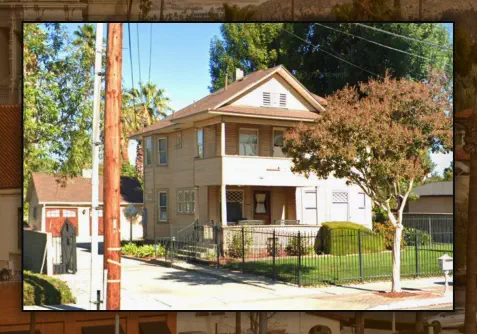

Take Action to Protect Your Rental Property
Your rental home is too valuable to risk on a do-it-yourself eviction. A single procedural error can cost you months of rental income and expose
you to statutory damages. California's eviction laws change constantly, and the procedures that worked last year may not hold up in court today.
Barry Lee O'Connor and Associates A PLC is ready to act on your behalf. Call (951) 689-9644 or complete a Landlord Case Evaluation Form and
we will contact you.






- Home
- About Us
- Contact Us
- Riverside County
- San Bernardino County
- Orange County
- City of Riverside
- Riverside Unlawful Detainer
- Desert Hot Springs
- Moreno Valley
- Wildomar
- Commercial Evictions
- Complex Evictions
- Evictions - Every Property Type
- Private Home Evictions
- Residential Evictions
- Landlord Legal Resources
- Landlord Rights
- Unlawful Detainer
- Schedule a Free Consultation




Let’s start a conversation!
Whether you’re looking for investment
guidance, strategic planning, or a long-term
partnership, we’re here to help.
Contact us to discuss your goals, and let’s
work together to turn your vision into
reality.
3691 Adams St
Riverside, CA 92504

Mon - Friday: 9:00 AM- 4:00 PM
Saturday and Sunday: CLOSED
Disclaimer: Legal services provided by Barry Lee
O'Connor & Associates, a Professional Law
Corporation, registered with the State Bar of
California. Principal office located at 3691 Adams St,
Riverside, CA 92504. This website constitutes an
Attorney Advertisement in accordance with California
Rules of Professional Conduct. Prior results do not
guarantee a similar outcome.




Dedicated legal representation for individual landlords
renting out single-family homes, condominiums,
townhomes, and duplexes.
Private Home Eviction Attorney
Private Home Evictions Across
Southern California
Are you losing money every month on a
rental property that was supposed to
build your financial future? Whether a
tenant stopped paying rent, a family
member refuses to leave, or you need to
move back into a home you have been
renting out, the legal
process for removing an
occupant from a private
home in California is strict
and unforgiving. At Barry
Lee O'Connor and Associates, our
dedicated eviction legal team provides the
same aggressive representation to
individual property owners, property
managers, and small investors that we
deliver to corporate landlords managing
hundreds of units.
Backed by more than 70,000 eviction cases
filed since 1988, we understand that your
rental home is a personal investment, not
just a line item on a corporate spreadsheet.
We treat your case with urgency because
every month of unpaid rent is money that
may never come back.
Call our eviction attorney today at (951)
689-9644 or contact our office to schedule a
consultation.
Is Your Private Rental Home
Exempt From California Rent
Control?
One of the most important questions for
private home landlords is whether the
Tenant Protection Act of 2019 (AB 1482)
applies to their property. Under this
law, most residential rental
properties are subject to statewide
rent caps and "Just Cause" eviction
restrictions. However, many single-family
homes and condominiums qualify for an
exemption that gives you significantly more
flexibility.
To qualify, your property must meet all
three requirements: the home must be a
single-family residence or condominium
(not a multi-family building), the property
cannot be owned by a corporation, a Real
Estate Investment Trust, or an LLC with a
corporate member, and you must have
provided the tenant with a specific written
disclosure under California Civil Code
Section 1946.2(e). If you failed to deliver
that disclosure before the tenancy started,
you lose the exemption entirely, even if the
property type would otherwise qualify.
Our firm performs a complete
exemption audit during your initial
consultation. We review your ownership
structure, lease documents, and tenant
disclosure history to determine your legal
standing before any notices are served.
Learn more about AB 1482 compliance, Just
Cause, and No-Fault eviction rules.
How We Help Individual
Landlords Recover Their
Properties
We represent individual landlords,
property managers, and small investors
in every type of private home recovery:
• Non-Payment of Rent: Preparing legally
precise 3-Day Notices to Pay Rent or
Quit. We audit the exact base rent
owed, excluding late fees and utility
charges that would invalidate the
notice.
• Owner Move-In Actions: Helping you
lawfully reclaim your property so you or a
qualifying family member can occupy the
home as a primary residence. We draft all
required disclosures and calculate
relocation payments if applicable.
• Lease Expiration and Non-Renewal:
Terminating month-to-month tenancies
using properly served 30-Day or 60-Day
notices. Tenancies lasting 12 months or
longer require a 60-Day notice.
• Family Disputes and Inherited
Properties: Removing non-paying relatives,
former partners, or inherited tenants from
properties you now own. These situations
require careful legal handling because
informal living arrangements create
unexpected tenant protections under
California law.
If the tenant refuses to leave after
proper notice, we immediately file an
Unlawful Detainer lawsuit in the proper
local courthouse and manage all service-of-
process procedures through the final
Sheriff lockout.
Protecting Your Condo or
Townhome Investment in
HOA Communities
Renting out a condominium or
townhome within a Homeowners
Association adds an extra layer of legal
risk. When a tenant continuously violates
HOA rules (noise restrictions, parking
policies, unauthorized
modifications, trash violations), the
association does not fine the
tenant. They issue fines and liens
directly against you, the property owner.
Under California law, a tenant's chronic
failure to comply with community rules
is a material breach of the lease, provided
your rental agreement explicitly
incorporates the HOA's CC&Rs. We draft
strict 3-Day Notices to Cure or Quit
targeting specific rule violations and, if the
tenant fails to correct the behavior, file
eviction proceedings to stop the
accumulating penalties.
If your tenant is also causing broader
community issues, our evictions page
covers HOA enforcement, post-foreclosure
recovery, and trust property situations that
frequently affect individual property
owners.
Security Deposit Rules
Every Private Home Landlord
Must Follow
After a tenant vacates your private
home, whether voluntarily or through a
court-ordered eviction, you have exactly 21
calendar days under California Civil
Code Section 1950.5 to provide a
full, itemized written statement
explaining any deductions and
return the remaining deposit balance.
Many private landlords make costly
errors during this process. Common
mistakes include deducting for normal wear
and tear (which is not allowed), failing to
provide receipts for repairs exceeding $126,
or missing the 21-day deadline entirely. Any
of these errors can expose you to a lawsuit
where the tenant recovers up to twice the
original deposit amount in statutory
damages.
We advise our private home clients on
proper security deposit accounting and
ensure your itemized statement is legally
compliant. Our landlord counseling and
lease advisory services can also help you
structure your next lease to prevent deposit
disputes before they start.
Private Home Eviction
Questions
“Can I evict a tenant from my
single-family home without a Just
Cause reason?”
It depends on whether you properly
claimed the AB 1482 exemption. If you
provided the tenant with the required
written disclosure under California Civil
Code Section 1946.2(e) and the property is
not held under a corporate entity, your
single-family home is exempt from Just
Cause restrictions. Without that disclosure,
the exemption does not apply, even if every
other condition is met.
“Can I evict a family member who is
living in my rental property
without a lease?”
Yes, but you must follow the legal
process. A family member who occupies
your property with your permission, even
without a written lease, has established a
verbal tenancy under California law. You
must serve them with a formal 30-Day or
60-Day written notice before you can file an
Unlawful Detainer lawsuit. You cannot
simply change the locks or remove their
belongings.
“What is the difference between a
30-Day and a 60-Day notice?”
Under California Civil Code Section
1946.1, a landlord must provide 30 days'
written notice to terminate a month-to-
month tenancy that has lasted less than
one year. If the tenant has occupied the
property for one year or longer, the
required notice period extends to 60 days.
Our landlord rights page covers the full
eviction process, required forms, and key
California statutes that protect property
owners.
“What happens if my tenant claims
the property has habitability
issues?”
This is one of the most common defenses
raised in residential eviction trials. A tenant
may argue that you failed to maintain the
property in a habitable condition, which can
delay your case significantly. The strongest
protection is thorough documentation:
dated maintenance records, repair receipts,
inspection reports, and written
communication showing you addressed
issues promptly. We help you organize this
evidence before trial.
Over 30 Years Experience
Aggresive Courtroom Representation
Post-judgement Collection Services
Licenced in California since 1988
Fast filings in Riverside County Courts
Why Landlords Trust Our Firm


NOTICE TO TENANTS: Our law practice is strictly
dedicated to landlord-side representation and real
estate asset protection.
We do not represent tenants under any circumstances.
Contact Us