Riverside Unlawful Detainer Attorney for Landlords and Property Owners
Let’s start a conversation! Whether you’re looking for investment guidance, strategic
planning, or a long-term partnership, we’re here to help.
Contact us to discuss your goals, and let’s work together to turn your vision into reality.
Let’s start a conversation! Whether you’re looking for investment guidance, strategic
planning, or a long-term partnership, we’re here to help.
Contact us to discuss your goals, and let’s work together to turn your vision into reality.


Mon - Friday: 9:00 AM- 4:00 PM
Saturday and Sunday: CLOSED
3691 Adams St
Riverside, CA 92504
(951) 689-9644
udlaw2@aol.com
Disclaimer: Legal services provided by Barry Lee O'Connor & Associates, a Professional Law Corporation, registered with the State Bar of California. Principal office located at 3691 Adams St,
Riverside, CA 92504. This website constitutes an Attorney Advertisement in accordance with California Rules of Professional Conduct. Prior results do not guarantee a similar outcome.

(951) 689-9644



When a tenant stops paying rent or refuses to vacate, delays can result in continued
lost rental income, Barry Lee O'Connor & Associates, A Professional Law Corporation,
represents landlords in unlawful detainer matters from its Riverside office.
Call (951) 689-9644 or submit a case review request describing the property, the tenant,
any notice that has been served, and the current status of the matter. Our team handles
landlord-side eviction matters directly and is familiar with the requirements involved in
these cases.
Talk to a Riverside Unlawful
Detainer Attorney




Riverside Unlawful Detainer Questions Landlords Ask
An unlawful detainer is the lawsuit an owner files to recover possession of property from a person who no longer has the legal right to occupy it.
California treats unlawful detainer matters as expedited proceedings, which means they generally proceed more quickly than ordinary civil lawsuits.
The terms are related but are not technically identical. "Eviction" is commonly used to describe the overall process, beginning with the required
notice and ending when possession is restored. An unlawful detainer is the court action within that larger process.
For a rental property located within Riverside itself, cases generally proceed in a civil department at the Riverside Historic Courthouse, 4050 Main
Street. The appropriate filing location may differ for properties located outside Riverside, depending on the property's location.
Riverside has not enacted a separate rent limitation for ordinary houses and apartments. Mobile home park spaces are subject to separate
municipal provisions. State law may nevertheless affect rent increases and the circumstances under which a tenancy may be terminated.
Are there any local rules I should know about
Which courthouse handles my case?
Is this the same thing as an eviction?
What is an unlawful detainer, in plain terms?



70,000+
Unlawful Detainer
Actions Filed
38+
Years
Experience
3
Counties
Served Daily
100%
Dedicated to
Landlord Representation


Contact Attorney Barry Lee O’Connor & Associates, A PLC
Let’s start a conversation! Whether you’re looking for investment guidance, strategic
planning, or a long-term partnership, we’re here to help.
Contact us to discuss your goals, and let’s work together to turn your vision into reality.
An unlawful detainer is the legal action a property owner may file to recover possession
of a rental property when a tenant no longer has the legal right to remain. When a tenant
stops paying rent or refuses to vacate, an unlawful detainer provides the legal process for
resolving the dispute and recovering possession. Barry Lee O’Connor & Associates, APLC has
represented property owners in these matters since 1988. A Riverside unlawful detainer
attorney can guide your case from the initial notice through the final stages of the proceeding.
Attorney O'Connor's experience includes more than 70,000 unlawful detainer cases.
These cases generally move faster than most civil matters, which can create significant
pressure for property owners. The paperwork is concise, deadlines are strict, and a trial date
may be scheduled before an owner feels fully prepared. Because of these time constraints, it is
important that the case be properly prepared from the outset. Errors made early in the
process can be costly and difficult to correct later.
If your rental property is located within Riverside city limits, the case will generally be filed with the Superior Court and
heard in a civil department at the Riverside Historic Courthouse, 4050 Main Street. Our office is located nearby at 3691
Adams St, Riverside, CA 92504.
Most owners come to us with the same basic information: the lease or rental agreement, records showing the tenant's
payment history, and the circumstances surrounding the tenant's continued occupancy. We review the facts, explain the
legal process in straightforward terms, and handle the case from there. Call (951) 689-9644 to schedule a landlord
consultation.
We File Unlawful Detainer Cases for Every Kind of Rental in Riverside
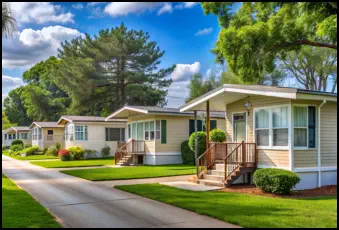





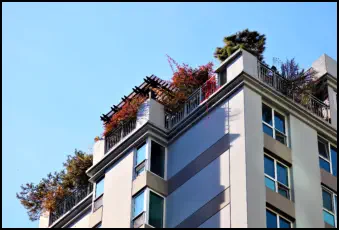





Rental properties take many forms, from single-family homes and condominiums to apartment buildings, commercial spaces, and mobile home park spaces.
Each type of property can involve different legal requirements and documentation. We handle unlawful detainer matters involving every type of rental property an
owner is likely to encounter and tailor the legal approach to the circumstances of the property.
Houses, Condos, and Small Buildings
For owners of a single-family home or duplex, a tenant's failure to pay rent can have an immediate financial impact. These cases often depend on the terms of the rental agreement, the documentation provided to the tenant, and the property's payment records. Smaller landlords may also have informal or verbal rental arrangements. We can evaluate those circumstances and determine what information and documentation are available before proceeding.Apartment Buildings
Apartment owners may face multiple eviction matters over time, making an organized and consistent process especially important. We maintain a structured approach to notices, rent records, and supporting documentation so that each case can move forward efficiently. Clients with larger portfolios may submit multiple files for review, but each unlawful detainer is evaluated individually based on its specific facts and circumstances.Stores, Offices, and Warehouses
Commercial unlawful detainer matters are governed largely by the terms of the negotiated lease rather than a standard residential rental agreement. Provisions concerning notice requirements, late charges, guarantors, and other lease terms can affect the remedies available to the landlord. Careful review of the lease before taking action can help identify requirements that must be satisfied before an unlawful detainer is filed.Spaces in Mobile Home Parks
Mobile home park space rentals may be subject to requirements that differ from those governing conventional residential properties. Riverside maintains separate municipal provisions addressing these properties, including regulations concerning space rents. Park owners should ensure that the applicable requirements are considered before pursuing an unlawful detainer.Unlawful Detainer Help for Houses and Condos You Own
When rental income depends on a single property, a dispute with one tenant can have a significant financial impact. Houses and condominiums may also present issues involving homeowners' association requirements, informal rental arrangements, or additional occupants who were not part of the original agreement. Before filing, we determine who is occupying the property, what agreement governs the tenancy, and whether applicable state protections affect the case. Identifying all occupants and understanding the applicable legal requirements at the beginning can help prevent unnecessary delays and additional expense. We also review the available records to determine what the documentation establishes before preparing the case.How the Unlawful Detainer Process Works for Apartment Buildings
Owners of apartment buildings need a process that minimizes unnecessary delays. Improper service, incomplete documentation, or discrepancies in rent records can add weeks to a case and extend the time a unit remains occupied. We begin with the owner's records and prepare the complaint based on the facts and documentation available. We also coordinate service through a process server experienced with situations in which a tenant may attempt to avoid service. When a response deadline expires, we pursue the appropriate next step without unnecessary delay. For older properties, particular attention may be necessary to ensure that the grounds stated in the notice are consistent with the allegations in the complaint. Maintaining consistency between these documents is an important part of properly preparing the case.Protecting Your Store, Office, or Warehouse Space
An occupied commercial property can become a significant financial concern when a tenant stops paying rent or otherwise violates the lease. Commercial properties, including stores, offices, and warehouses, are governed differently from residential rentals, and the lease often determines important aspects of the landlord's rights and obligations. The lease may address notice requirements, guarantors, equipment or property left behind, and claims involving subtenants. Because these provisions can affect the available remedies, we review the lease before taking action. This allows the landlord to understand the applicable requirements and determine the appropriate course before an unlawful detainer is filed.Just Cause Questions and Riverside Cases That Turn Difficult
Not every unlawful detainer matter is straightforward. Some cases involve tenants represented by counsel, disputes concerning the condition of the property, or allegations that require a more detailed response. These matters require careful review of the underlying facts and documentation. We handle cases that have become complicated, including matters that were previously started by another law office. If your case is already underway, we review the existing file before determining what additional action is appropriate.What Just Cause Means for You
California's Tenant Protection Act may require a landlord to establish a legally recognized reason for terminating a tenancy after the tenant has lived at the property for the applicable period. The reason stated in the notice can become important later in the proceeding because it may need to be supported as the case moves forward. For Riverside properties, it is important to consider both applicable state requirements and the terms of the rental agreement when determining the appropriate basis for termination.Answering What the Tenant Claims
Tenants may raise allegations concerning property conditions, retaliation, rent payments, or other issues in response to an eviction. Relevant records can be critical in addressing those claims. Repair orders, inspection records, communications, and complete payment histories can help establish the factual circumstances of the tenancy. We review the available documentation at the beginning of the case so that potential issues can be identified and addressed before they become more significant.One City Requirement Worth Checking
Owners renting property in Riverside may have registration obligations through the City's Business Tax Section. Because compliance may become relevant during an unlawful detainer proceeding, we verify that the applicable registration is current before filing.Trial and Getting Your Property Back
When an unlawful detainer proceeds to trial, the evidence and supporting documentation must be organized in advance. A person familiar with the property's records may also need to testify. Proper preparation allows the case to be presented clearly and efficiently. After prevailing, the landlord may obtain a writ of possession, which authorizes the sheriff to enforce the judgment and restore possession of the property to the owner. We assist with the process through the sheriff's civil unit.




NOTICE TO TENANTS: Our law practice is strictly dedicated to
landlord-side representation and real estate asset protection.
We do not represent tenants under any circumstances.













- Home
- About Us
- Contact Us
- Riverside County
- City of Riverside
- Riverside-eviction-attorney-a
- San Bernardino County
- Orange County
- Private Home Evictions
- Residential Evictions
- Commercial Evictions
- Unlawful Detainer
- Complex Evictions
- Landlord Rights
- Landlord Legal Resources
- Evictions - Every Property Type
- Schedule a Free Consultation



Speak With a Riverside
Eviction Attorney Today
Vacant units and unpaid rent will not
resolve on their own, and waiting seldom
helps. Barry Lee O'Connor & Associates, A
Professional Law Corporation, has handled
landlord matters from its Adams Street
office since 1988 and is ready to look at
yours. Call (951) 689-9644 or request a case
evaluation and tell us what is happening at
your property. Bring the lease, the ledger,
and any notice already served. Someone
who handles these files every day will review
them and explain what your options are.
3691 Adams St
Riverside, CA 92504

Mon - Friday: 9:00 AM- 4:00 PM
Saturday and Sunday: CLOSED
Disclaimer: Legal services provided by Barry Lee
O'Connor & Associates, a Professional Law
Corporation, registered with the State Bar of
California. Principal office located at 3691 Adams St,
Riverside, CA 92504. This website constitutes an
Attorney Advertisement in accordance with California
Rules of Professional Conduct. Prior results do not
guarantee a similar outcome.


Exclusively representing property owners, investors,
and Property managers in Riverside, California.
Riverside Unlawful Detainer Attorney for
Landlords and Property Owners

NOTICE TO TENANTS: Our law practice is strictly
dedicated to landlord-side representation and real estate
asset protection.
We do not represent tenants under any circumstances.
Contact Us
We File Unlawful Detainer
Cases for Every Kind of
Rental in Riverside
Rental properties take many forms, from single-family homes and condominiums to apartment buildings, commercial spaces, and mobile home park spaces. Each type of property can involve different legal requirements and documentation. We handle unlawful detainer matters involving every type of rental property an owner is likely to encounter and tailor the legal approach to the circumstances of the property.Stores, Offices, and
Warehouses
Commercial unlawful detainer matters are governed largely by the terms of the negotiated lease rather than a standard residential rental agreement. Provisions concerning notice requirements, late charges, guarantors, and other lease terms can affect the remedies available to the landlord. Careful review of the lease before taking action can help identify requirements that must be satisfied before an unlawful detainer is filed.Spaces in Mobile Home
Parks
Mobile home park space rentals may be subject to requirements that differ from those governing conventional residential properties. Riverside maintains separate municipal provisions addressing these properties, including regulations concerning space rents. Park owners should ensure that the applicable requirements are considered before pursuing an unlawful detainer.Houses, Condos, and Small
Buildings
For owners of a single-family home or duplex, a tenant's failure to pay rent can have an immediate financial impact. These cases often depend on the terms of the rental agreement, the documentation provided to the tenant, and the property's payment records. Smaller landlords may also have informal or verbal rental arrangements. We can evaluate those circumstances and determine what information and documentation are available before proceeding.Apartment Buildings
Apartment owners may face multiple eviction matters over time, making an organized and consistent process especially important. We maintain a structured approach to notices, rent records, and supporting documentation so that each case can move forward efficiently. Clients with larger portfolios may submit multiple files for review, but each unlawful detainer is evaluated individually based on its specific facts and circumstances.
Over 30 Years Experience
Aggresive Courtroom Representation
Post-judgement Collection Services
Licenced in California since 1988
Fast filings in Riverside County Courts
Why Landlords Trust Our Firm


Stores, Offices, Warehouses
Spaces in Mobile Home Parks


Houses, Condos, Small Buildings
Apartment Buildings

Unlawful Detainer Help for
Houses and Condos You
Own
When rental income depends on a single property, a dispute with one tenant can have a significant financial impact. Houses and condominiums may also present issues involving homeowners' association requirements, informal rental arrangements, or additional occupants who were not part of the original agreement. ___________________ Before filing, we determine who is occupying the property, what agreement governs the tenancy, and whether applicable state protections affect the case. Identifying all occupants and understanding the applicable legal requirements at the beginning can help prevent unnecessary delays and additional expense. We also review the available records to determine what the documentation establishes before preparing the case. ___________________How the Unlawful
Detainer Process Works for
Apartment Buildings
Owners of apartment buildings need a process that minimizes unnecessary delays. Improper service, incomplete documentation, or discrepancies in rent records can add weeks to a case and extend the time a unit remains occupied. We begin with the owner's records and prepare the complaint based on the facts and documentation available. We also coordinate service through a process server experienced with situations in which a tenant may attempt to avoid service. When a response deadline expires, we pursue the appropriate next step without unnecessary delay. For older properties, particular attention may be necessary to ensure that the grounds stated in the notice are consistent with the allegations in the complaint. Maintaining consistency between these documents is an important part of properly preparing the case. ___________________Protecting Your Store,
Office, or Warehouse Space
An occupied commercial property can become a significant financial concern when a tenant stops paying rent or otherwise violates the lease. Commercial properties, including stores, offices, and warehouses, are governed differently from residential rentals, and the lease often determines important aspects of the landlord's rights and obligations. The lease may address notice requirements, guarantors, equipment or property left behind, and claims involving subtenants. Because these provisions can affect the available remedies, we review the lease before taking action. This allows the landlord to understand the applicable requirements and determine the appropriate course before an unlawful detainer is filed. ___________________Just Cause Questions and
Riverside Cases That Turn
Difficult
Not every unlawful detainer matter is straightforward. Some cases involve tenants represented by counsel, disputes concerning the condition of the property, or allegations that require a more detailed response. These matters require careful review of the underlying facts and documentation. We handle cases that have become complicated, including matters that were previously started by another law office. If your case is already underway, we review the existing file before determining what additional action is appropriate.What Just Cause Means for
You
California's Tenant Protection Act may require a landlord to establish a legally recognized reason for terminating a tenancy after the tenant has lived at the property for the applicable period. The reason stated in the notice can become important later in the proceeding because it may need to be supported as the case moves forward. For Riverside properties, it is important to consider both applicable state requirements and the terms of the rental agreement when determining the appropriate basis for termination.Answering What the
Tenant Claims
Tenants may raise allegations concerning property conditions, retaliation, rent payments, or other issues in response to an eviction. Relevant records can be critical in addressing those claims. Repair orders, inspection records, communications, and complete payment histories can help establish the factual circumstances of the tenancy. We review the available documentation at the beginning of the case so that potential issues can be identified and addressed before they become more significant.One City Requirement
Worth Checking
Owners renting property in Riverside may have registration obligations through the City's Business Tax Section. Because compliance may become relevant during an unlawful detainer proceeding, we verify that the applicable registration is current before filing.Trial and Getting Your
Property Back
When an unlawful detainer proceeds to trial, the evidence and supporting documentation must be organized in advance. A person familiar with the property's records may also need to testify. Proper preparation allows the case to be presented clearly and efficiently. After prevailing, the landlord may obtain a writ of possession, which authorizes the sheriff to enforce the judgment and restore possession of the property to the owner. We assist with the process through the sheriff's civil unit. ___________________ Riverside Unlawful Detainer Questions Landlords Ask What is an unlawful detainer, in plain terms? An unlawful detainer is the lawsuit an owner files to recover possession of property from a person who no longer has the legal right to occupy it. California treats unlawful detainer matters as expedited proceedings, which means they generally proceed more quickly than ordinary civil lawsuits. Is this the same thing as an eviction? The terms are related but are not technically identical. "Eviction" is commonly used to describe the overall process, beginning with the required notice and ending when possession is restored. An unlawful detainer is the court action within that larger process. Which courthouse handles my case? For a rental property located within Riverside itself, cases generally proceed in a civil department at the Riverside Historic Courthouse, 4050 Main Street. The appropriate filing location may differ for properties located outside Riverside, depending on the property's location. Are there any local rules I should know about? Riverside has not enacted a separate rent limitation for ordinary houses and apartments. Mobile home park spaces are subject to separate municipal provisions. State law may nevertheless affect rent increases and the circumstances under which a tenancy may be terminated.
An unlawful detainer is the legal action a
property owner may file to recover
possession of a rental property when a
tenant no longer has the legal right to
remain. When a tenant stops paying rent or
refuses to vacate, an unlawful detainer
provides the legal process for
resolving the dispute and
recovering possession. Barry
Lee O’Connor & Associates,
APLC has represented
property owners in these
matters since 1988. A
Riverside unlawful detainer attorney can
guide your case from the initial notice
through the final stages of the proceeding.
Attorney O'Connor's experience includes
more than 70,000 unlawful detainer cases.
These cases generally move faster than
most civil matters, which can create
significant pressure for property owners.
The paperwork is concise, deadlines are
strict, and a trial date may be scheduled
before an owner feels fully prepared.
Because of these time constraints, it is
important that the case be properly
prepared from the outset. Errors made
early in the process can be costly and
difficult to correct later.
If your rental property is located within
Riverside city limits, the case will generally
be filed with the Superior Court and heard
in a civil department at the Riverside
Historic Courthouse, 4050 Main Street. Our
office is located nearby at 3691 Adams St,
Riverside, CA 92504.
Most owners come to us with the same
basic information: the lease or rental
agreement, records showing the tenant's
payment history, and the circumstances
surrounding the tenant's continued
occupancy. We review the facts, explain the
legal process in straightforward terms, and
handle the case from there. Call (951) 689-
9644 to schedule a landlord consultation.